
Image Gen · Model Guide · 4 min read
Midjourney
The subscription service that defined AI art aesthetics — closed model, commercial rights via paid plans.
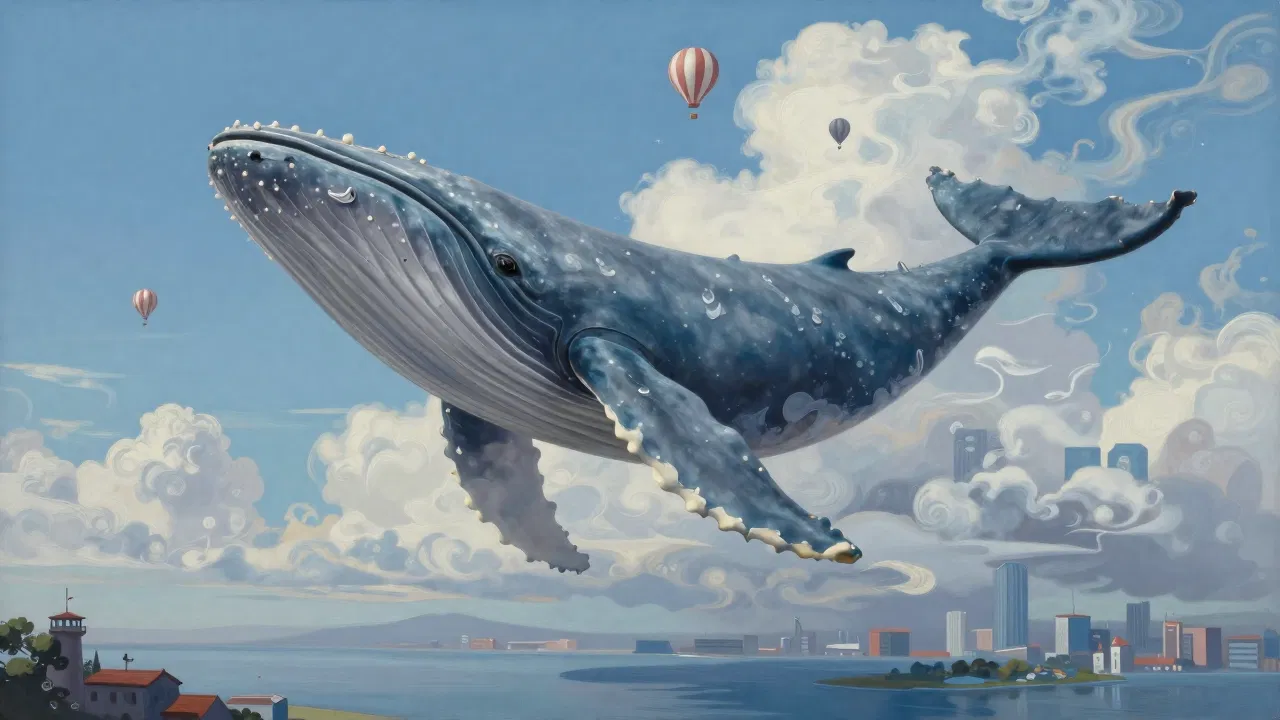
| Developer | Midjourney, Inc. |
|---|---|
| Availability | Cloud only |
| Commercial license | Closed-source, subscription-only. Paid plans grant rights to use generated images commercially; the free-trial tier (when offered) does not. Prompts are not private on lower tiers. Check current terms — Midjourney has updated its licensing several times. |
Basic Information
Midjourney is the closed, invitation-era veteran of AI image generation, now on its seventh version. It has no open weights and no local option: everything runs on Midjourney's servers through its web app and Discord bot. What it sells is taste — a distinctive, polished default aesthetic, strong artistic range, and interfaces (style references, character references, personalization) that make consistent-looking output easier than anywhere else.
Because there is nothing to download, VRAM requirements are zero; the trade is a monthly subscription and trusting a hosted service with your prompts.
Best use cases
- Fast, beautiful concept art and mood boards with minimal prompt engineering
- Consistent characters and styles across a project via reference features
- Teams that value output quality over pipeline control
- Anyone who prefers a subscription over maintaining GPU hardware
Computational Requirements
None — it is a hosted service. Your local hardware is irrelevant; a browser is enough.
- Local privacy-minded alternative: the FLUX or Stable Diffusion tiers covered in their own guides.
Commercial license
Closed-source, subscription-only. Paid plans grant rights to use generated images commercially; the free-trial tier (when offered) does not. Prompts are not private on lower tiers. Check current terms — Midjourney has updated its licensing several times.
Compare the cost of using it
Curious how a hosted model’s bills add up against local hardware? The Local vs Cloud panel does the math for your workload.
More guides: back to Image Gen · visit the blog